Installation Tips For Stainless‑Steel Rope Mesh Balustrade System Published: August 07, 2026 | For Contractors, Site Installers & Architectural Specifiers Stainless‑steel rope mesh balustrade serves as lightweight, transparent safety infill for balconies, staircases, atriums and pedestrian bridges. Good mesh quality cannot guarantee project success; improper installation leads to mesh sagging, aperture deformation, fitting loosening and […]
Published: August 07, 2026 | For Contractors, Site Installers & Architectural Specifiers
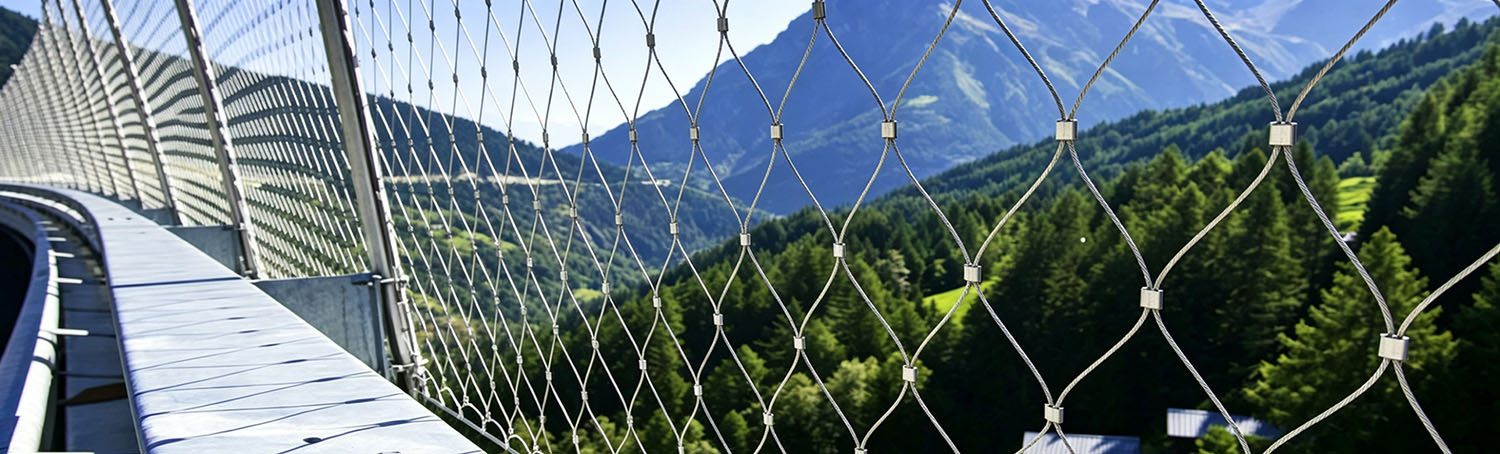
Stainless‑steel rope mesh balustrade serves as lightweight, transparent safety infill for balconies, staircases, atriums and pedestrian bridges. Good mesh quality cannot guarantee project success; improper installation leads to mesh sagging, aperture deformation, fitting loosening and non‑compliance with local building safety codes. This practical guide covers site preparation, frame requirement, fixing & tension workflow, typical pitfalls and long‑term maintenance, linked with our stainless‑steel rope mesh for modern architecture.
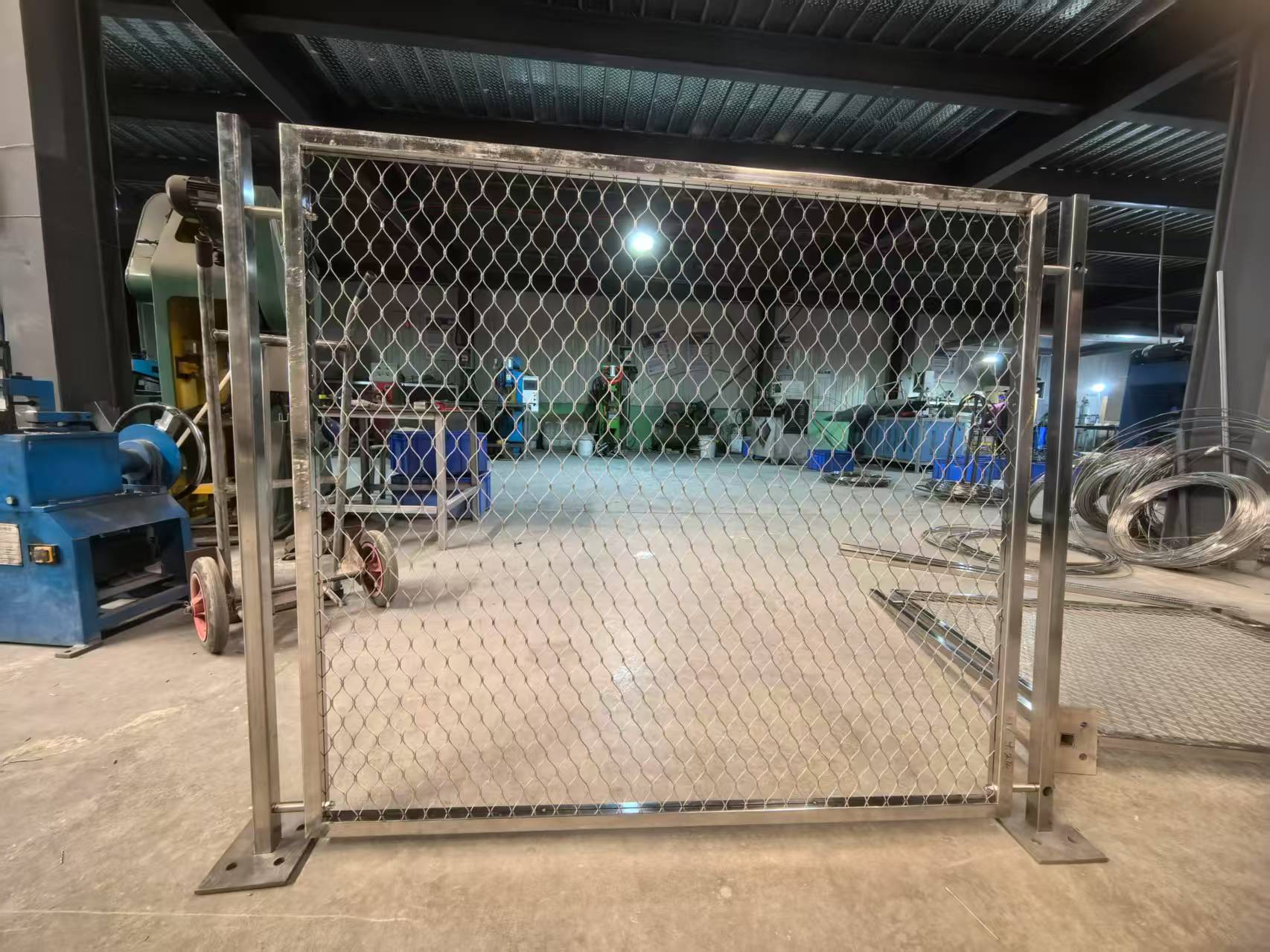
Unroll mesh flat on soft protective mat, prevent scratching mesh surface. Do not twist or kink the rope; permanent kink will reduce rope tensile strength. Position panel inside balustrade frame, mark trimming margin along top‑bottom & side edges.
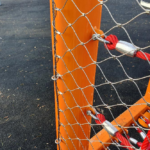
Secure four corners with stainless steel clamps / eye‑bolt assemblies. Do not fully tighten at this stage — keep partial loose for later whole‑panel tension adjustment.
After overall tension balanced, install intermediate clamps along top, bottom and side frames with uniform spacing. Cut surplus mesh with dedicated rope cutter, file all sharp wire ends smooth to prevent hand‑cut injury.
Check every clamp bolt torque; push mesh manually to test deflection. Verify aperture still meets local safety sphere‑test requirement after tension loaded. Confirm no sharp exposed wire ends left.
| Item | Requirement | Risk If Ignored |
|---|---|---|
| Balustrade Height | Residential ≥900 mm; Commercial / public ≥1100 mm (measure from finished floor) | Fail building code inspection |
| Maximum aperture | ≤50 mm for public balustrade anti‑trapping | Child‑head trapping hazard |
| Post spacing | ≤1000 mm for rope‑mesh infill balustrade | Large mesh deflection under human lean‑on load |
| Coastal / pool‑side environment | Mesh + all fittings SUS316 / 316L grade, see 304 vs 316 stainless steel rope mesh | Tea‑staining & chloride corrosion in short‑term |
Excessive tension deforms diamond aperture, bends support posts, pulls anchor bolts loose; even causes hidden fatigue damage on rope strands.
Middle area sags heavily, aperture expands under lateral push, fails safety sphere‑test.
Anchors pull‑out under impact load, creates serious fall‑safety risk.
Different stainless material contact triggers galvanic corrosion, fittings get rusted ahead of mesh service life.
Sharp strand ends cause hand‑cut injury for users and maintenance staff.
Not recommended for public‑access safety balustrade. Long‑term repeated pushing may make knots slip and aperture expand. Ferrule‑crimped mesh is the standard safety choice.
No. Excessive tension damages frame and mesh. First check whether post spacing is too large or posts are not rigid enough; reinforce frame structure before re‑tensioning.
Send frame dimension photos and drawings. Our engineering team can review structural suitability and offer on‑site installation suggestion, together with rope mesh aperture & wire diameter selection guide.
We provide installation reference drawings, hardware matching list and technical documentation for stainless steel rope mesh railing. If you need project‑specific installation advice, share your project drawing, site environment and local building‑code requirements.